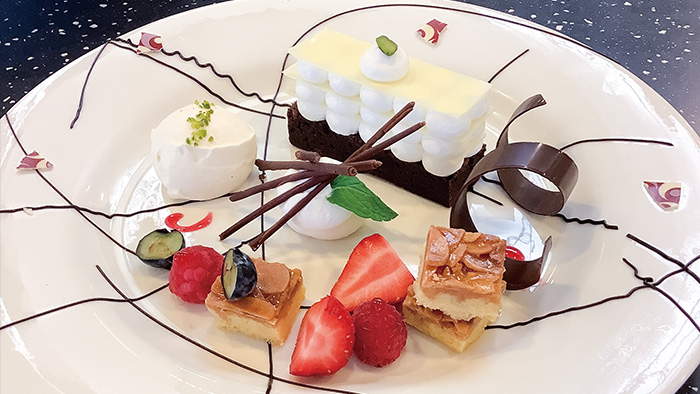
Starting from the basics to advanced techniques of cooking and confectionery, I learned everything from product development to management. I aim to obtain two national qualifications.
With an overwhelming amount of practical training exceeding 2400 hours and a generous three-year period, in addition to cooking and confectionery techniques... I aim to become a chef/pastry chef with a broad perspective, encompassing aspects such as beverages, design, and management.
Cooking practice 1660 hours + Confectionery practice 776 hours = 2436 hours
[Available qualifications]
[National Qualification] Cook's License [National Qualification] Eligibility to take the Confectionery Hygiene Specialist examination [National Qualification] Professional Cook's License/Cooking Skills Specialist *
*Requires 6 years of work experience after graduation. If you pass the technical examination while enrolled in school, you will be exempted from the written examination.
Curriculum 1st yearlearn to cook(Cooking Department)
1st year | Culinary Arts Department
Basic practice
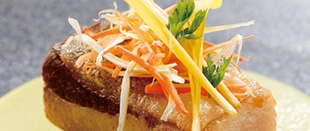
1 person 1 product training
Through practical training where you complete all steps from weighing and cooking to plating on your own, you can thoroughly check your own skill acquisition and improvement.
routine training
We will focus on vegetable cutting and repeatedly practice the basic skills necessary for on-site work during the first year.
Check test
We will check each person individually to see if they can reliably prepare basic egg dishes such as omelets and rolled omelets, including chopping vegetables.
Major training
In both the first and second years, you will choose one of three genres to hone your expertise in. Classes will also be held with chefs from hotels and restaurants.
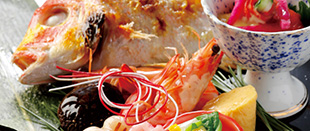
Japanese cuisine major
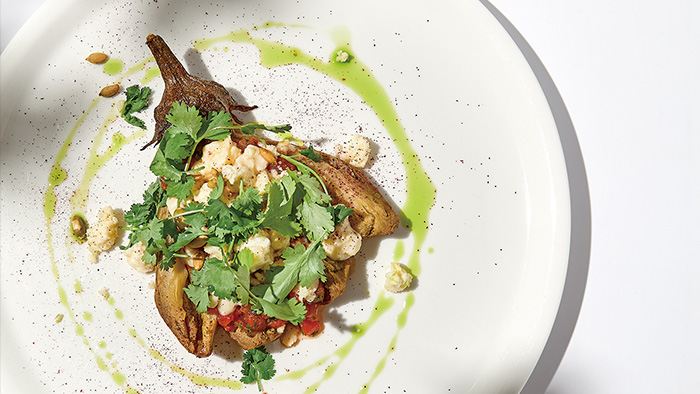
Using seasonal ingredients unique to Japanese cuisine, you will learn a wide range of styles, including kaiseki, kappo, and creative cuisine.
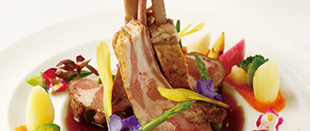
Western cuisine major
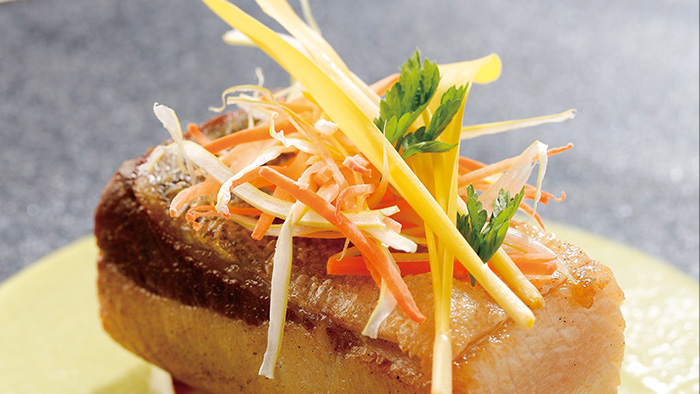
You will acquire knowledge of Western ingredients, including how to make broth and the structure of a multi-course meal, and then put that knowledge into practice.
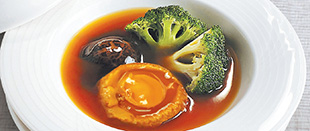
Chinese cuisine major
Through the cuisines of Beijing, Shanghai, Sichuan, and Cantonese, you will learn everything from the art of handling fire and adding aromas to the use of Chinese cleavers.
Professional practice
1 item for hobbyists, 100 items for professionals. You will acquire the skills to manufacture and prepare food in the same environment as professionals, eliminating any gap between your skills and those of the actual workplace.
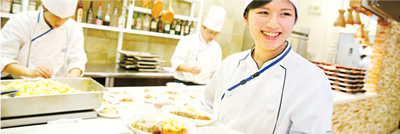
banquet Training
This is the most popular class among students. Students take turns cooking lunch for all the students, learning the mass cooking techniques essential for hotels and restaurants.
Restaurant Training
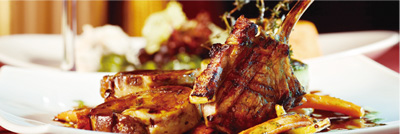
We provide training that covers every aspect of restaurant operations. From menu development and preparation the day before to cooking and service on the day of, you will acquire the skills to be immediately effective in a real-world setting.
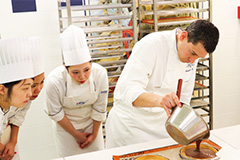
You will participate in practical training where you complete all steps, from weighing ingredients to decorating, on your own. This will allow you to clearly see the progress and improvement of your own skills.
routine training
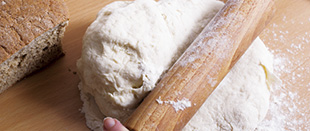
We will practice basic techniques such as piping cream, peeling oranges, and using chocolate pens.
Check test
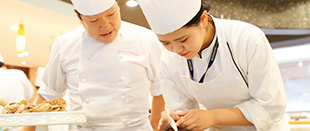
We will check each person individually to ensure they can reliably make basic products such as sponge cake and cream puffs.
Major training
In both the first and second years, you will choose one of three genres to hone your expertise in. Classes will also be held with guest chefs from hotels and patisseries.
Patissier Major
We create complex cakes that combine multiple ingredients such as mousse, pastry, and chocolate.
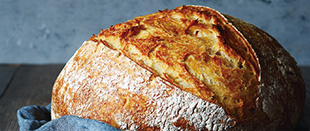
Boulanger Major
We make bread that is loved all over the world, including in Germany, France, the United States, Denmark, and Japan.
cafe major
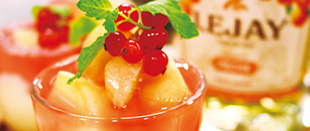
You will learn the knowledge and skills to create a stylish cafe-style arrangement of dishes and sweets, as well as a wide variety of drinks.
Professional practice
1 item for hobbyists, 100 items for professionals. You will acquire the skills to manufacture and prepare food in the same environment as professionals, eliminating any gap between your skills and those of the actual workplace.
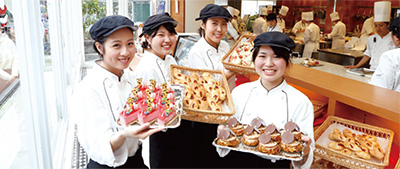
shop training
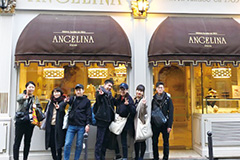
We operate a real patisserie on campus. We produce approximately 30 different products in batches of 100, allowing students to learn time management and teamwork through mass production.
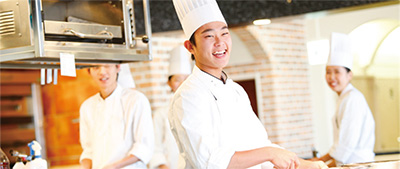
Internship
You will gain work experience at your dream hotel, patisserie, or restaurant. Through approximately 10 days of on-the-job experience, you will be able to envision your future self more clearly.
2st year timetable example
\ Daily training /
MON
YOUR
WED
THU
FRI
1st(8:50~ 10:20)
Food science
Practice
Practice
confectionery theory
Practice
2st(10:30~ 12:00)
Nutrition
3st(13:00~ 14:30)
Practice
confectionery theory
Food hygiene
Practice
Food hygiene
4st(14:40~ 16:10)
public hygiene
After School Activities (16:10~ 17:30)
Voluntary practice
Voluntary practice
*Curriculum is subject to change.
Curriculum 3st yearDeepen your cooking(2nd year of the General Cooking Course)
Plus α seminar
You can freely choose and learn as much as you like. We will help you acquire the knowledge and skills needed in the coming era, setting you apart from your rivals.
01
SNS seminar
02
Management seminar
03
global seminar
04
allergy seminar
05
Sports nutrition seminar
Year 3 | In addition to advanced cooking techniques, you will hone your product development and management skills.
class practice
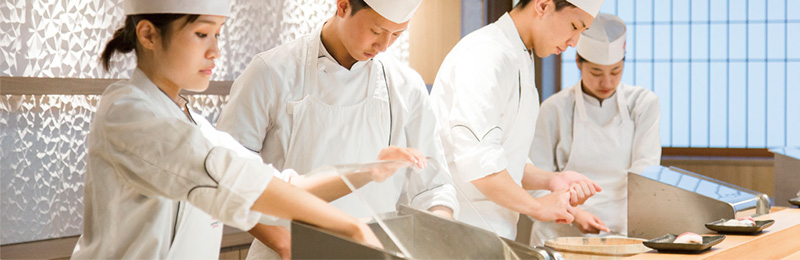
Sushi washoku class
You will learn a wide range of topics, from the structure of sushi to new cooking methods for Japanese cuisine.
Western cooking class
You will learn a wide range of skills, from advanced Western culinary techniques to management.
Executive Chef Candidate Class
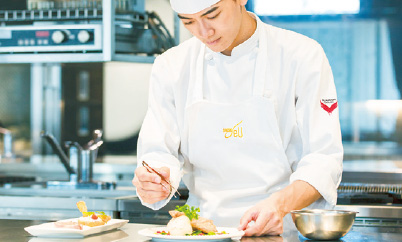
You will acquire comprehensive cooking skills and knowledge related to food, from main dishes to desserts.
Product development development
Global menu development
We collaborate with embassies around the world, including the U.S. Embassy and the Peruvian Embassy. We aim to deepen our understanding of international ingredients and develop menus that showcase their appeal.
Collaborative product development with leading companies
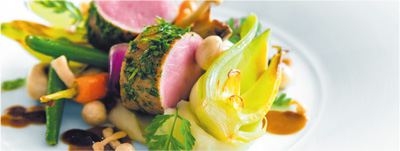
We propose menu ideas to consumers through the adoption of our products on the menus of popular restaurants and the development of recipes using food products from well-known companies.
[Achievements] Mizkan Co., Ltd., Balnibarbi Co., Ltd.
Professional practice
1 item for hobbyists, 100 items for professionals. You will acquire the skills to manufacture and prepare food in the same environment as professionals, eliminating any gap between your skills and those of the actual workplace.
advanced banquet Training
As an extension of the first year's banquet training, we will work on large-scale cooking with smaller teams.
altitude restaurant Training
Building upon the first year's restaurant training, we will incorporate a comprehensive management perspective into operations, from ingredient selection and cost calculation to customer acquisition.
3st year timetable example
\ Daily training /
MON
YOUR
WED
THU
FRI
1st(8:50~ 10:20)
Practice
Practice
Practice
Practice
Practice
2st(10:30~ 12:00)
3st(13:00~ 14:30)
global seminar
that’s a joy to receive.
International communication
4st(14:40~ 16:10)
Management seminar
After School Activities (16:10~ 17:30)
Voluntary practice
Voluntary practice
*Curriculum is subject to change.
\ SPECIAL /
Overseas training for all employees
DAICHO's unique overseas training scholarship (non-repayable) All students participate in an overseas training program during their time at the school.









 1 person 1 product training
 routine training
 Check test
 Japanese cuisine major
 Western cuisine major
 Chinese cuisine major
 banquet
 Restaurant

 1 person 1 product training
 routine training
 Check test
 Patissier Major
 Boulanger Major
 cafe major
 shop training
 Internship


 Sushi washoku class
 Western cooking class
 Executive Chef Candidate Class
 Global menu development
 Collaborative product development with leading companies